The Return of Louis Vuitton Murakami: Navigating Nostalgia and Hype
FASHION
4/11/20264 min read
A Surprising Journey: From Indifference to Obsession
At first glance, the Louis Vuitton Murakami collaboration did not capture my attention. The vibrant colors and cartoonish designs seemed to clash with my perception of luxury fashion, appearing more like a fleeting trend rather than a timeless collection. As I navigated the world of high fashion, I often found myself skeptical of the hype that surrounded certain brands. Louis Vuitton, a famed name in luxury goods, had partnered with Takashi Murakami, an artist whose style was both whimsical and polarizing. My initial reaction was indifference; I wondered how such a bold partnership could resonate in a market often dominated by classic silhouettes and understated elegance.
Perhaps it was the sheer extent of the promotional activities coupled with the enthusiastic endorsements from fashion influencers that initially dampened my perspective. Each new unveiling of the Murakami pieces only deepened my skepticism. However, as time progressed, I found myself increasingly surrounded by discussions about the cultural significance of this collaboration. Critics and enthusiasts alike began to articulate the intricate merging of art and fashion, and I realized that the collection was not merely about aesthetics.
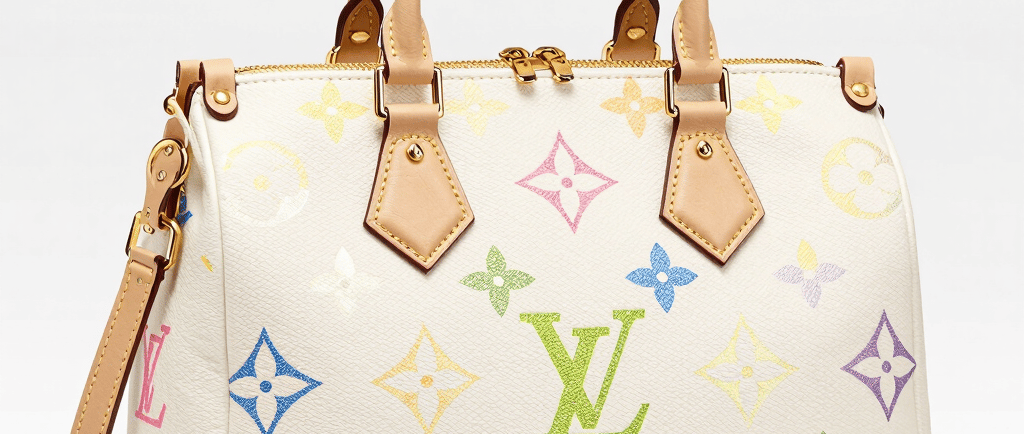
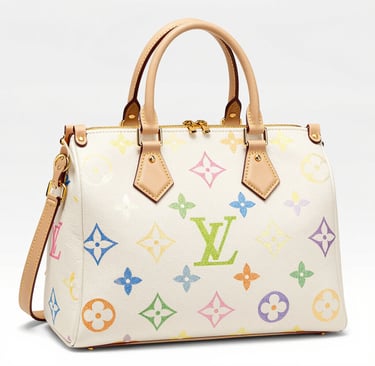
Gradually, my viewpoint shifted as I recognized the craftsmanship and thought behind the Louis Vuitton Murakami pieces. It became evident that this fusion had not only introduced a fresh aesthetic but had also challenged conventional notions of luxury. Indeed, my fascination started to blossom when I encountered the iconic Murakami Speedy bag. Captivated by its playful design, I began to appreciate the meticulous craftsmanship and attention to detail that Louis Vuitton is renowned for. This unexpected enthusiasm marked a decisive turn in my journey, transforming my initial indifference into an authentic appreciation for the collaboration’s cultural and artistic impact.
Nostalgia and FOMO: The Allure of the Murakami Revival
The resurgence of the Louis Vuitton Murakami collection taps into two powerful psychological phenomena: nostalgia and the fear of missing out (FOMO). Nostalgia, often defined as a sentimental longing for the past, evokes strong emotional responses. For many millennials and Gen Z consumers, the colorful and playful designs created by Takashi Murakami during the early 2000s symbolize formative experiences, connecting them with fleeting moments of adolescence. These vivid memories make products in the Murakami collection feel uniquely special and personal, amplifying their desirability in today's market.
Nostalgic feelings are not merely individual; they can create a shared cultural narrative among peers. Positive recollections associated with certain fashion items can lead to a surge in collective interest, as individuals seek to recapture the essence of their youth. The appeal of the Murakami collection lies in its capability to evoke nostalgia by blending playful artistry with high-fashion elements. As consumers explore their connections to the past through these items, they are not just purchasing fashion; they are investing in a tangible fragment of their childhood memories.
Additionally, FOMO plays a significant role in the current hype surrounding the collection. The fear of missing out pushes consumers to acquire limited-edition items, particularly when those items tie back to nostalgic moments. This urgency is intensified by social media, where influencers and celebrities showcase Murakami pieces, creating a sense of exclusivity and immediate desirability. FOMO drives individuals to act quickly, so they do not feel left behind in a fashion narrative that once was familiar. Thus, the revival of the Murakami collection is not simply a reintroduction of a product line; it is a complex interplay of nostalgia and modern consumer behavior that capitalizes on deeply rooted emotional connections.
The Emotional Connection: Why It Sparks Joy
The return of the Louis Vuitton Murakami collection has stirred not only excitement but also a profound emotional connection among fans and collectors. This nostalgia-driven appreciation for Murakami's unique designs taps into memories of simpler times, frequently leading to an intense feeling of joy and comfort. Each item in this revered collection, such as the iconic Monogram Multicolore or the playful Cherry Blossom patterns, brings back cherished memories of shared experiences, youthful exuberance, and celebrations.
Many individuals find that the vibrant colors and whimsical designs evoke a sense of happiness that transcends the physical product itself. It is not merely about luxury fashion; it is about what these items represent—personal milestones, cherished relationships, and a connection to a more carefree period in life. The emotional response to these designs often influences current purchasing decisions, as individuals seek to relive those memories or share them with a new generation.
This interplay between nostalgia and modern enthusiasm for the brand is crucial. With the global resurgence of the Murakami collaboration, many consumers are not just drawn to the aesthetics of the pieces but are also motivated by their historical significance. The excitement surrounding this return highlights how deeply personal these interactions with luxury can be, merging the allure of brand heritage with individual narratives. Consequently, the act of purchasing items from the Louis Vuitton Murakami collection can feel like revisiting a treasured chapter of one’s past, further solidifying the emotional connection that sparks joy every time one encounters these designs.
Embracing the Hype: Spending and Satisfaction
The resurgence of the Louis Vuitton Murakami collection has rekindled a fervent interest in luxury fashion, prompting many consumers to reevaluate their spending habits. This phenomenon raises a significant question: how do individuals reconcile the desire to possess a piece of fashion history with the often steep financial cost associated with luxury items? For many, the decision to invest in a Murakami Speedy bag represents an emotional and nostalgic journey. It is not merely an acquisition but rather a statement of identity intertwined with fond recollections of a brand that harmoniously blended art and fashion.
When one contemplates the act of emptying their bank account for such a piece, the considerations extend beyond mere financial implications. The allure of the beauty, craftsmanship, and the cultural significance of the Murakami collection weigh heavily on the decision. While some might criticize this expense as extravagant, others view it as essential to expressing their individuality in a world that often prioritizes conformity. The act of purchasing can serve as a powerful affirmation of personal style, a statement of embracing one’s authentic self amidst the cacophony of trends.
Moreover, satisfaction derived from such a purchase often exceeds the immediate gratification of ownership. It taps into a deeper well of nostalgia, bridging connections to past experiences and memories. In a society fixated on trends, the emotional fulfillment gained from possessing a Murakami piece resonates beyond its material value. The hype surrounding the collection, complemented by its historical significance, creates a compelling narrative that encourages individuals to embrace their choices. Ultimately, while high-end spending may prompt scrutiny, the intersection of personal satisfaction and emotional connection highlights the complex relationship individuals have with luxury items.